
Understanding Thai Temple Etiquette: A Guide to Respectful Travel in Thailand
Travel with Respect. Arrive Inspired.
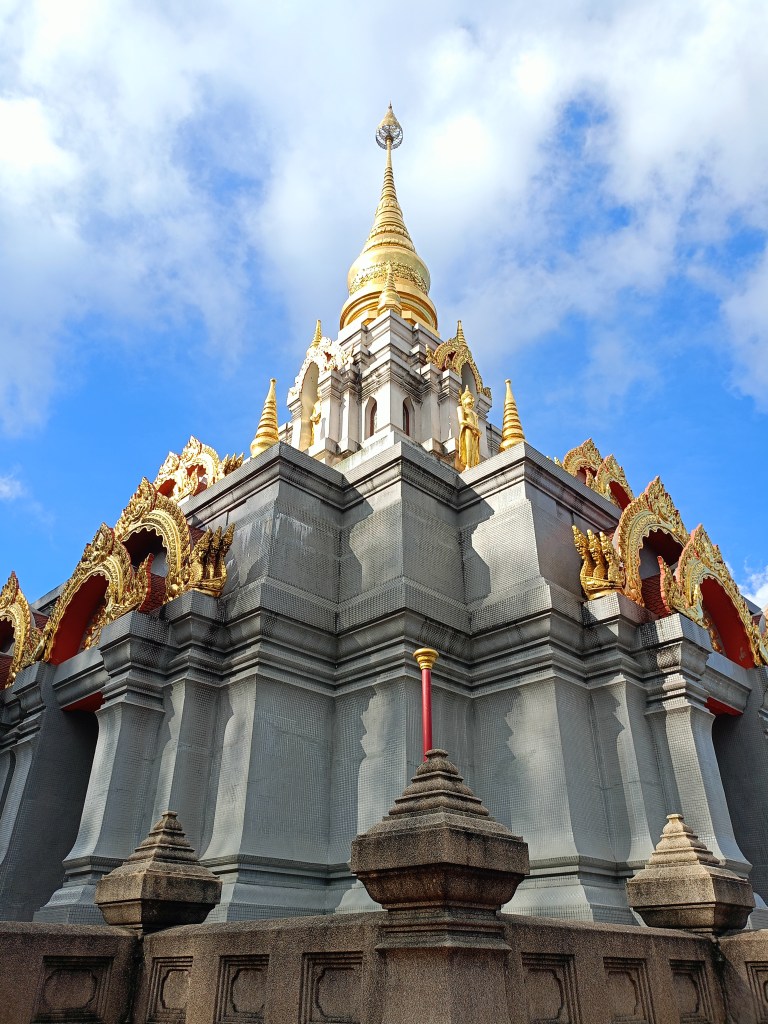
Thailand is known around the world as the Land of Smiles, a destination filled with breathtaking beaches, vibrant cities, incredible food, and rich cultural traditions. Yet for many visitors, the most memorable experiences are found within the walls of Thailand’s temples.
Whether you are exploring the magnificent temples of Bangkok, the ancient ruins of Ayutthaya, or a hidden countryside Wat in Isaan, understanding Thai temple etiquette can help transform a simple visit into a meaningful cultural experience.
At MoriTour Thailand, we believe that respectful travel creates deeper connections, richer memories, and a greater appreciation for the places we visit.
Temples Are More Than Tourist Attractions
For many visitors, temples are among Thailand’s most beautiful landmarks. Their golden rooftops, intricate carvings, and peaceful surroundings make them natural highlights of any journey.
However, temples are first and foremost places of worship.
Every day, Thai people visit temples to pray, make merit, seek guidance, and connect with their spiritual beliefs. Understanding this simple fact is the first step toward being a respectful traveler.
When entering a temple, remember that you are stepping into a sacred space that holds deep meaning for the local community.
Dress Modestly
One of the most important aspects of temple etiquette is appropriate clothing.
Visitors should dress respectfully by covering their shoulders and knees. Lightweight long pants, skirts below the knee, and shirts with sleeves are ideal choices, especially in Thailand’s warm climate.
Avoid:
- Tank tops
- Crop tops
- Short shorts
- Revealing clothing
- Clothing with offensive images or language
Many temples may refuse entry to visitors who are not dressed appropriately.
A simple rule applies:
If you would wear it to the beach, it probably isn’t suitable for a temple.
Remove Your Shoes
Before entering temple buildings, prayer halls, or sacred areas, visitors are expected to remove their shoes.
You will often notice rows of shoes outside temple entrances. This is a clear sign that footwear should be left outside.
Removing your shoes is a symbol of respect and cleanliness.
For travelers exploring several temples in one day, easy-to-remove footwear can make the experience much more comfortable.
Show Respect for Buddha Images
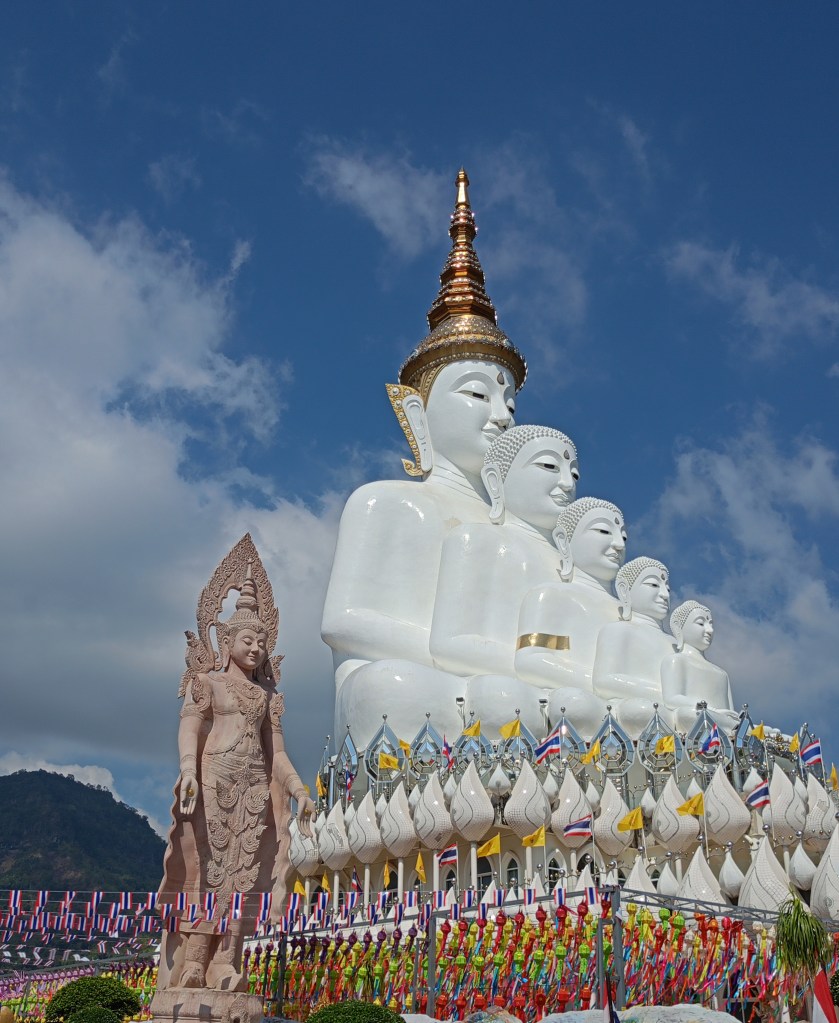
Throughout Thailand, you will encounter Buddha statues in many forms and sizes.
These images are deeply respected and should always be treated with care.
Visitors should never:
- Climb on Buddha statues
- Touch sacred objects unnecessarily
- Sit on Buddha images
- Use Buddha statues as props for humorous photographs
When taking pictures, remember that respect is more important than social media content.
A respectful photograph will always create a better memory than an inappropriate one.
Be Mindful Around Monks
Monks play an important role in Thai society and are highly respected.
When interacting with monks:
- Speak politely
- Maintain a respectful distance
- Ask permission before taking photographs
- Avoid interrupting prayers or ceremonies
Traditionally, women should not touch monks or hand objects directly to them. If something needs to be given, it is usually placed nearby for the monk to pick up.
These customs may feel unfamiliar to some visitors, but respecting them demonstrates cultural awareness and appreciation.
Keep Your Voice Down
One of the most beautiful aspects of visiting a Thai temple is the peaceful atmosphere.
Temples are places for prayer, reflection, and meditation.
Speaking quietly allows everyone to enjoy the tranquility of the surroundings.
Many travelers are surprised by how calming it feels to simply sit quietly for a few moments, listening to the sounds of nature, temple bells, and chanting in the distance.
Sometimes the most memorable part of a temple visit is not what you see, but what you feel.
Learn the Story Behind the Temple
Every temple has a story.
Some have stood for hundreds of years and witnessed important moments in Thai history. Others are local community temples that serve as the heart of village life.
Taking a few minutes to learn about a temple’s history, architecture, and cultural significance can greatly enrich your visit.
Understanding the story behind a place often creates a stronger connection than simply taking photographs and moving on.
A Gateway to Understanding Thailand
Temples offer visitors more than beautiful architecture.
They provide insight into Thailand’s values, traditions, and way of life.
Through temples, travelers can better understand concepts such as respect, gratitude, community, and mindfulness—qualities that remain deeply woven into Thai culture today.
For many guests traveling with MoriTour Thailand, visiting temples becomes one of the most meaningful parts of their journey.
Not because of the buildings themselves, but because of the understanding they gain along the way.
Travel with Respect, Leave with Inspiration
The best travel experiences are not only about seeing new places.
They are about connecting with people, understanding cultures, and appreciating traditions that may be different from our own.
Thai temples offer an opportunity to do exactly that.
By showing respect, dressing appropriately, and approaching each visit with curiosity and an open mind, travelers can experience a side of Thailand that goes far beyond the typical tourist trail.
Because at MoriTour Thailand, we believe every journey should offer more than just a destination.
It should leave you inspired.
MoriTour Thailand – Arrive Inspired.
DE Tempel-Etikette in Thailand verstehen: Ein Leitfaden für respektvolles Reisen
Respektvoll reisen. Inspiriert ankommen.
Thailand begeistert Besucher mit traumhaften Stränden, faszinierenden Städten und einer einzigartigen Kultur. Doch für viele Reisende gehören die Tempel zu den eindrucksvollsten Erlebnissen ihres Aufenthalts.
Ob in Bangkok, Ayutthaya oder in den versteckten Dörfern des Isaan – Tempel bieten weit mehr als nur schöne Fotomotive. Sie sind Orte des Glaubens, der Besinnung und ein wichtiger Teil des täglichen Lebens vieler Thailänder.
Bei MoriTour Thailand glauben wir, dass respektvolles Reisen der Schlüssel zu authentischen Begegnungen und unvergesslichen Erfahrungen ist.
Tempel sind heilige Orte
Für Besucher wirken viele Tempel wie beeindruckende Sehenswürdigkeiten. Goldene Dächer, kunstvolle Verzierungen und friedliche Anlagen ziehen Menschen aus aller Welt an.
Doch Tempel sind in erster Linie religiöse Stätten.
Hier beten Menschen, machen Verdienste, feiern religiöse Zeremonien und finden Ruhe im Alltag.
Wer einen Tempel besucht, sollte sich bewusst sein, dass er einen besonderen und respektierten Ort betritt.
Angemessene Kleidung
Ein wichtiger Bestandteil der Tempel-Etikette ist die Kleidung.
Schultern und Knie sollten bedeckt sein. Leichte lange Hosen, Röcke oder Kleider unterhalb des Knies sowie Oberteile mit Ärmeln sind ideal.
Vermeiden Sie:
- Kurze Hosen
- Schulterfreie Kleidung
- Sehr enge oder freizügige Kleidung
- Kleidung mit anstößigen Aufdrucken
Viele Tempel verweigern Besuchern mit unangemessener Kleidung den Zutritt.
Schuhe ausziehen
Vor dem Betreten von Gebetshallen und Tempelgebäuden müssen die Schuhe ausgezogen werden.
Die Schuhe bleiben vor dem Eingang stehen. Dies gilt als Zeichen von Respekt und Reinheit.
Wer mehrere Tempel an einem Tag besucht, ist mit leicht ausziehbaren Schuhen gut beraten.
Respekt vor Buddha-Statuen
Buddha-Darstellungen sind für Buddhisten heilig.
Daher sollte man:
- Nicht auf Statuen klettern
- Nicht auf Buddha-Figuren sitzen
- Keine respektlosen Fotos machen
- Heilige Gegenstände nicht unnötig berühren
Ein respektvoller Umgang wird von Einheimischen sehr geschätzt.
Umgang mit Mönchen
Mönche genießen in Thailand großes Ansehen.
Besucher sollten:
- Höflich sprechen
- Gebete und Zeremonien nicht stören
- Vor Fotos um Erlaubnis fragen
Traditionell sollten Frauen Mönche nicht berühren und keine Gegenstände direkt überreichen.
Ruhe bewahren
Tempel sind Orte der Besinnung.
Lautes Sprechen, Telefonate oder störendes Verhalten sollten vermieden werden.
Viele Reisende berichten später, dass gerade die ruhige Atmosphäre eines Tempels zu den schönsten Erinnerungen ihrer Reise gehört.
Die Geschichte hinter dem Tempel entdecken
Jeder Tempel hat seine eigene Geschichte.
Manche sind mehrere hundert Jahre alt und spielten eine wichtige Rolle in der thailändischen Geschichte. Andere bilden das Herz einer kleinen Dorfgemeinschaft.
Wer sich etwas Zeit nimmt, mehr über die Hintergründe zu erfahren, wird den Besuch deutlich intensiver erleben.
Mehr als nur Sehenswürdigkeiten
Tempel vermitteln einen tiefen Einblick in die thailändische Kultur.
Sie zeigen Werte wie Respekt, Dankbarkeit, Gemeinschaft und Achtsamkeit – Werte, die das Leben vieler Menschen in Thailand bis heute prägen.
Für viele Gäste von MoriTour Thailand werden Tempelbesuche zu den bewegendsten Momenten ihrer Reise.
Respektvoll reisen, inspiriert zurückkehren
Die schönsten Reisen bestehen nicht nur aus Sehenswürdigkeiten.
Sie bestehen aus Begegnungen, neuen Perspektiven und dem Verständnis für andere Kulturen.
Wer einen Tempel mit Respekt und Offenheit besucht, entdeckt eine Seite Thailands, die weit über den klassischen Tourismus hinausgeht.
Denn bei MoriTour Thailand glauben wir:
Eine Reise sollte mehr hinterlassen als Fotos.
Sie sollte inspirieren.
MoriTour Thailand – Arrive Inspired.
มารยาทในการเข้าวัดไทย: คู่มือสำหรับนักเดินทางที่ต้องการสัมผัสวัฒนธรรมอย่างเคารพ
เดินทางอย่างเคารพ และกลับไปพร้อมแรงบันดาลใจ
ประเทศไทยมีชื่อเสียงในเรื่องชายหาดที่สวยงาม อาหารอร่อย และวัฒนธรรมที่เป็นเอกลักษณ์ แต่สำหรับนักท่องเที่ยวจำนวนมาก การได้เยี่ยมชมวัดไทยคือหนึ่งในประสบการณ์ที่น่าประทับใจที่สุด
ไม่ว่าจะเป็นวัดชื่อดังในกรุงเทพฯ โบราณสถานในอยุธยา หรือวัดเล็ก ๆ ในชนบทอีสาน วัดทุกแห่งล้วนสะท้อนถึงประวัติศาสตร์ ความเชื่อ และวิถีชีวิตของคนไทย
ที่ MoriTour Thailand เราเชื่อว่าการเดินทางที่ดีเริ่มต้นจากความเข้าใจและความเคารพต่อวัฒนธรรมท้องถิ่น
วัดไม่ใช่เพียงสถานที่ท่องเที่ยว
แม้ว่าวัดไทยจะมีสถาปัตยกรรมที่งดงามและเป็นจุดถ่ายภาพยอดนิยม แต่วัดยังคงเป็นสถานที่ศักดิ์สิทธิ์สำหรับการปฏิบัติธรรมและประกอบศาสนกิจ
คนไทยจำนวนมากมาวัดเพื่อสวดมนต์ ทำบุญ และหาความสงบทางจิตใจ
การตระหนักถึงความสำคัญนี้จะช่วยให้นักท่องเที่ยวสามารถเยี่ยมชมวัดได้อย่างเหมาะสมและได้รับประสบการณ์ที่ลึกซึ้งยิ่งขึ้น
แต่งกายสุภาพ
การแต่งกายถือเป็นสิ่งสำคัญเมื่อเข้าวัด
ควร:
- สวมเสื้อที่ปกปิดไหล่
- กางเกงหรือกระโปรงยาวคลุมเข่า
- เสื้อผ้าที่ไม่รัดรูปหรือเปิดเผยมากเกินไป
หลีกเลี่ยง:
- เสื้อสายเดี่ยว
- กางเกงขาสั้น
- เสื้อผ้าที่บางหรือเปิดเผยร่างกายมากเกินไป
วัดหลายแห่งอาจไม่อนุญาตให้เข้าหากแต่งกายไม่เหมาะสม
ถอดรองเท้าก่อนเข้าพื้นที่ศักดิ์สิทธิ์
ก่อนเข้าพระอุโบสถ ศาลา หรืออาคารสำคัญภายในวัด ควรถอดรองเท้าไว้ด้านนอก
การถอดรองเท้าเป็นสัญลักษณ์ของความเคารพและความสะอาด
เคารพพระพุทธรูป
พระพุทธรูปถือเป็นสิ่งศักดิ์สิทธิ์ในพุทธศาสนา
ไม่ควร:
- ปีนป่ายหรือสัมผัสโดยไม่จำเป็น
- นั่งบนฐานพระพุทธรูป
- ถ่ายภาพในลักษณะที่ไม่เหมาะสม
การแสดงความเคารพต่อพระพุทธรูปถือเป็นสิ่งสำคัญสำหรับคนไทย
ปฏิบัติตนอย่างเหมาะสมต่อพระสงฆ์
พระสงฆ์ได้รับความเคารพอย่างสูงในสังคมไทย
นักท่องเที่ยวควร:
- พูดจาสุภาพ
- ไม่รบกวนขณะพระกำลังประกอบศาสนกิจ
- ขออนุญาตก่อนถ่ายภาพระยะใกล้
ตามประเพณี ผู้หญิงไม่ควรสัมผัสพระสงฆ์หรือส่งสิ่งของให้โดยตรง
รักษาความสงบ
วัดเป็นสถานที่แห่งความสงบและการเจริญสติ
ควรหลีกเลี่ยง:
- การพูดเสียงดัง
- เปิดเพลงหรือวิดีโอ
- การส่งเสียงรบกวนผู้อื่น
หลายครั้ง ช่วงเวลาที่เงียบสงบภายในวัดกลับกลายเป็นความทรงจำที่มีค่าที่สุดของการเดินทาง
เรียนรู้เรื่องราวของวัด
วัดแต่ละแห่งมีประวัติและความสำคัญแตกต่างกัน
การศึกษาข้อมูลก่อนเดินทางจะช่วยให้เข้าใจความหมายของสถานที่ และทำให้การเยี่ยมชมมีคุณค่ามากยิ่งขึ้น
มากกว่าการท่องเที่ยว
การเข้าวัดไม่ได้เป็นเพียงการชมสถาปัตยกรรมที่สวยงาม
แต่ยังเป็นโอกาสในการเรียนรู้คุณค่าของสังคมไทย เช่น ความกตัญญู ความเคารพ ความสงบ และการแบ่งปัน
สิ่งเหล่านี้คือหัวใจสำคัญของวัฒนธรรมไทย
เดินทางด้วยความเคารพ กลับไปพร้อมแรงบันดาลใจ
การเดินทางที่ดีที่สุดไม่ได้เปลี่ยนแค่สถานที่ที่เราไปเยือน
แต่เปลี่ยนมุมมองและความเข้าใจของเราต่อโลก
เมื่อเราเปิดใจเรียนรู้และเคารพวัฒนธรรมของสถานที่ที่เราเดินทางไป เราจะได้รับประสบการณ์ที่ลึกซึ้งและมีความหมายมากยิ่งขึ้น
เพราะที่ MoriTour Thailand เราเชื่อว่า
การเดินทางควรมอบมากกว่าความทรงจำ
มันควรมอบแรงบันดาลใจ
MoriTour Thailand – Arrive Inspired.
Discover more from
Subscribe to get the latest posts sent to your email.

Here is a guide to help you navigate temple visits with cultural awareness:Dress Code: Modesty is Key
Behavior and Etiquette
LikeLike